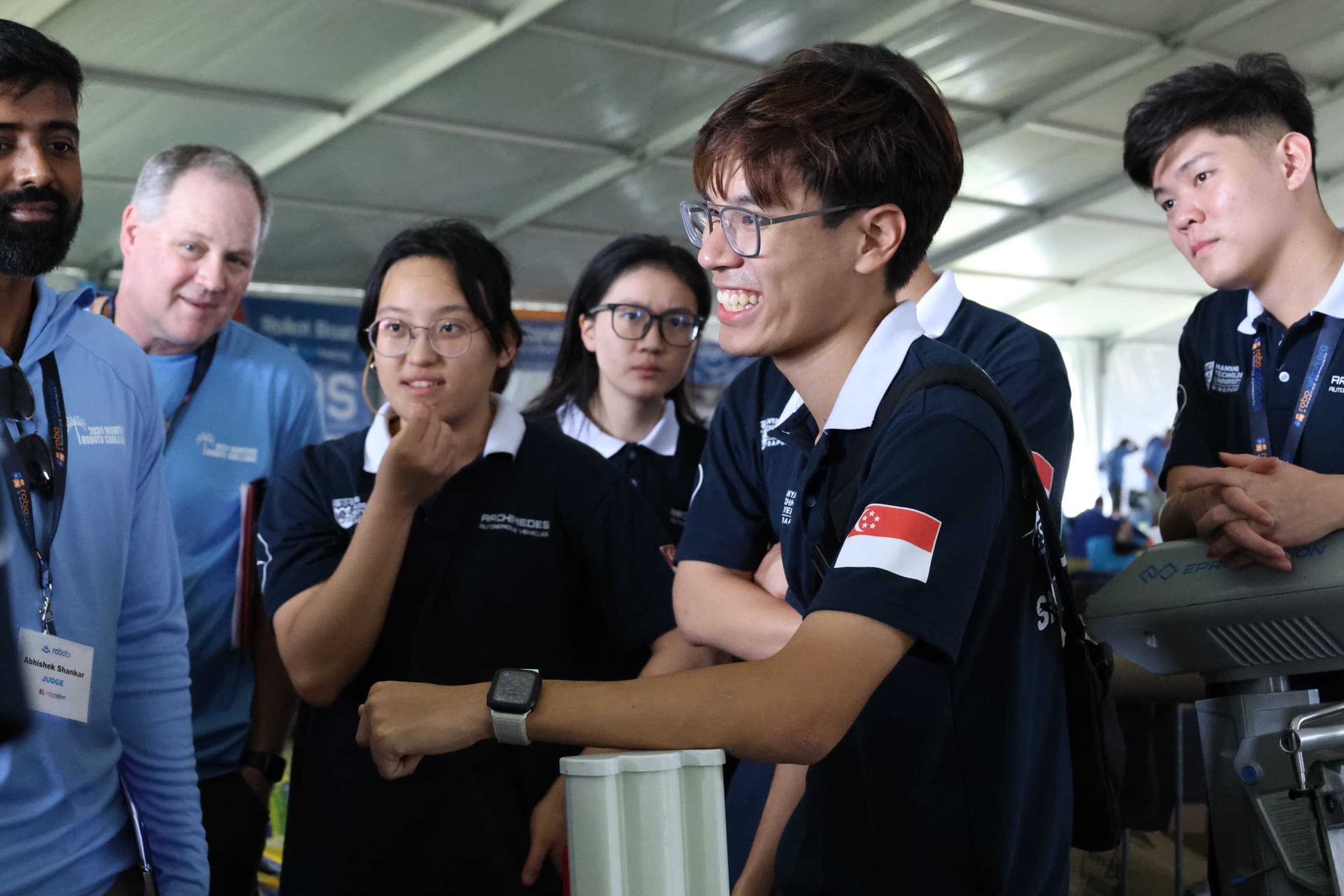
Built from a RobotX challenge.
Archimedes began in 2012 after an invitation from Singapore's Ministry of Defence, through the Future Technology Systems Directorate, to participate in the inaugural Maritime RobotX Challenge.
The team has evolved through several identities and competition cycles. It was known as Leviathan in 2014, Osmind in 2018, and Singaboat from 2016 to 2022. In 2024, the team adopted the name Archimedes Autonomous Vehicles, a name linked to buoyancy and our focus on maritime autonomy.
What started as a project team has grown into a student club at NTU. Today, AAV gives students a place to build real autonomous systems, take ownership of subsystems, and carry knowledge from one competition cycle to the next.
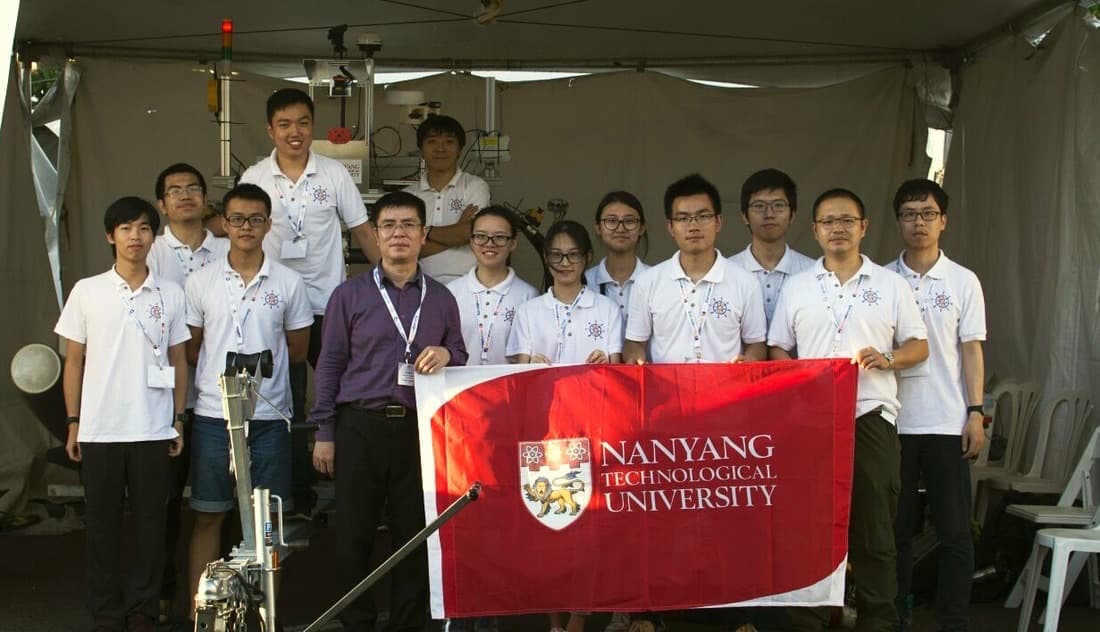
The seasons so far.
Each campaign adds capability, field experience, and continuity for the next team.
The gap between knowing and building.
A degree hands you the theory, and the theory matters. But the day you graduate, the question changes. It stops being what you can recite and becomes what you can build, get working, take apart when it breaks, and explain to the person standing next to you.
That is the gap AAV exists to close.
Here you work on the real thing: vehicles, sensors, embedded boards, autonomy code, comms, fabrication, safety checks, water tests, budgets, deadlines. You learn what a lecture can never quite show you. Parts fail. A tidy assumption falls apart the first time it meets open water. Software that passed every test still buckles under pressure. And it is integration, never any single subsystem, that decides whether the whole thing actually swims.
That kind of experience matters here at home, where maritime autonomy sits right beside Singapore's port, shipping, and wider engineering and defence industry.
We do not promise anyone a job. What we build are people: engineers who take ownership, work across disciplines, and turn what they know into something that runs.
Hands-on systems
From theory to hardware, software, testing, and operations.
Maritime relevance
AAV works on autonomy problems linked to Singapore's maritime future.
National technology exposure
Members work on skills relevant to robotics, sensing, communications, mission systems, and defence.
Cross-functional training
Engineering, business, media, web, and operations teams work together.
Evidence over claims
The team tests, documents, reviews, and improves through each competition cycle.
Competitions that shape the team.
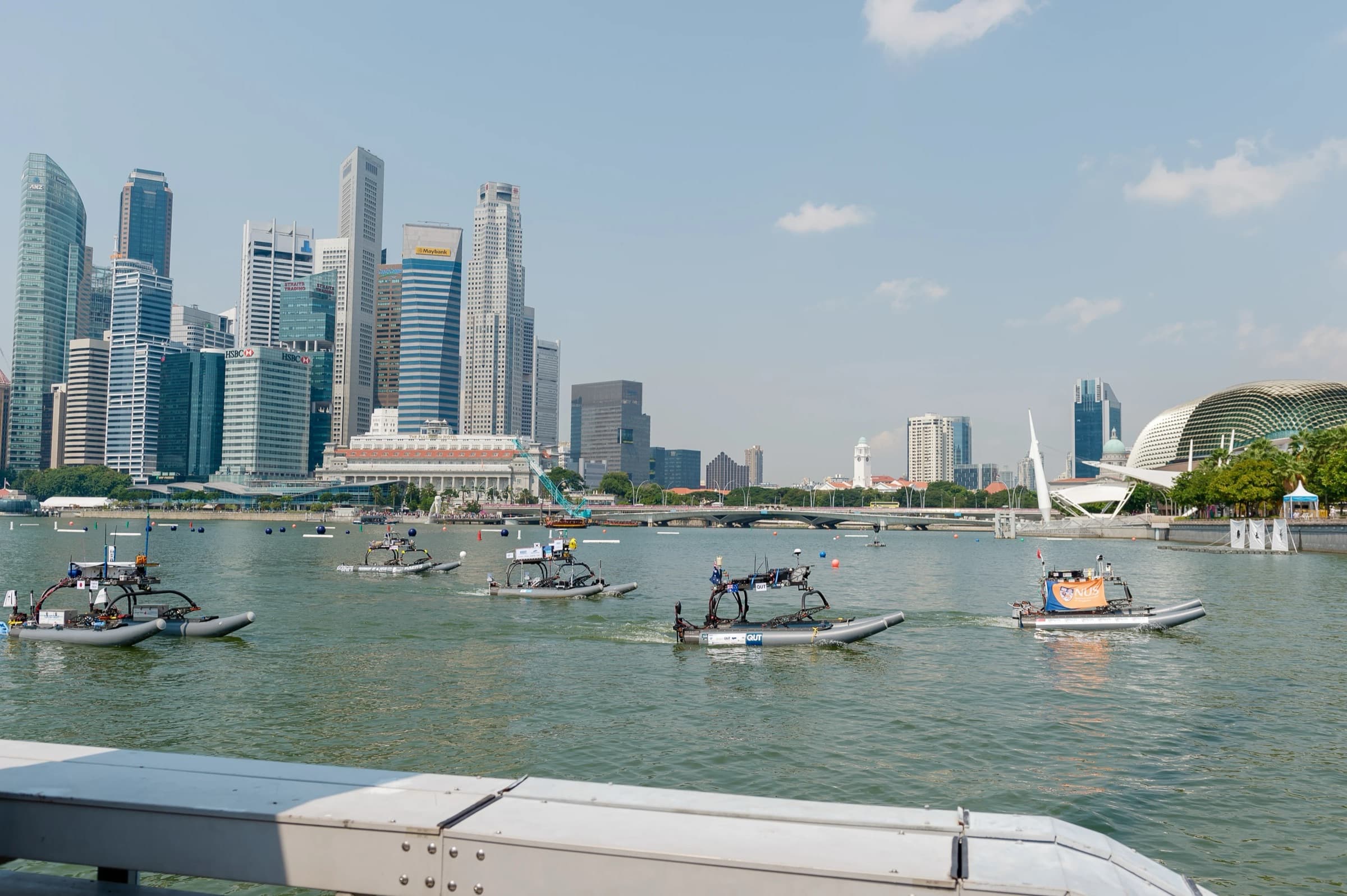
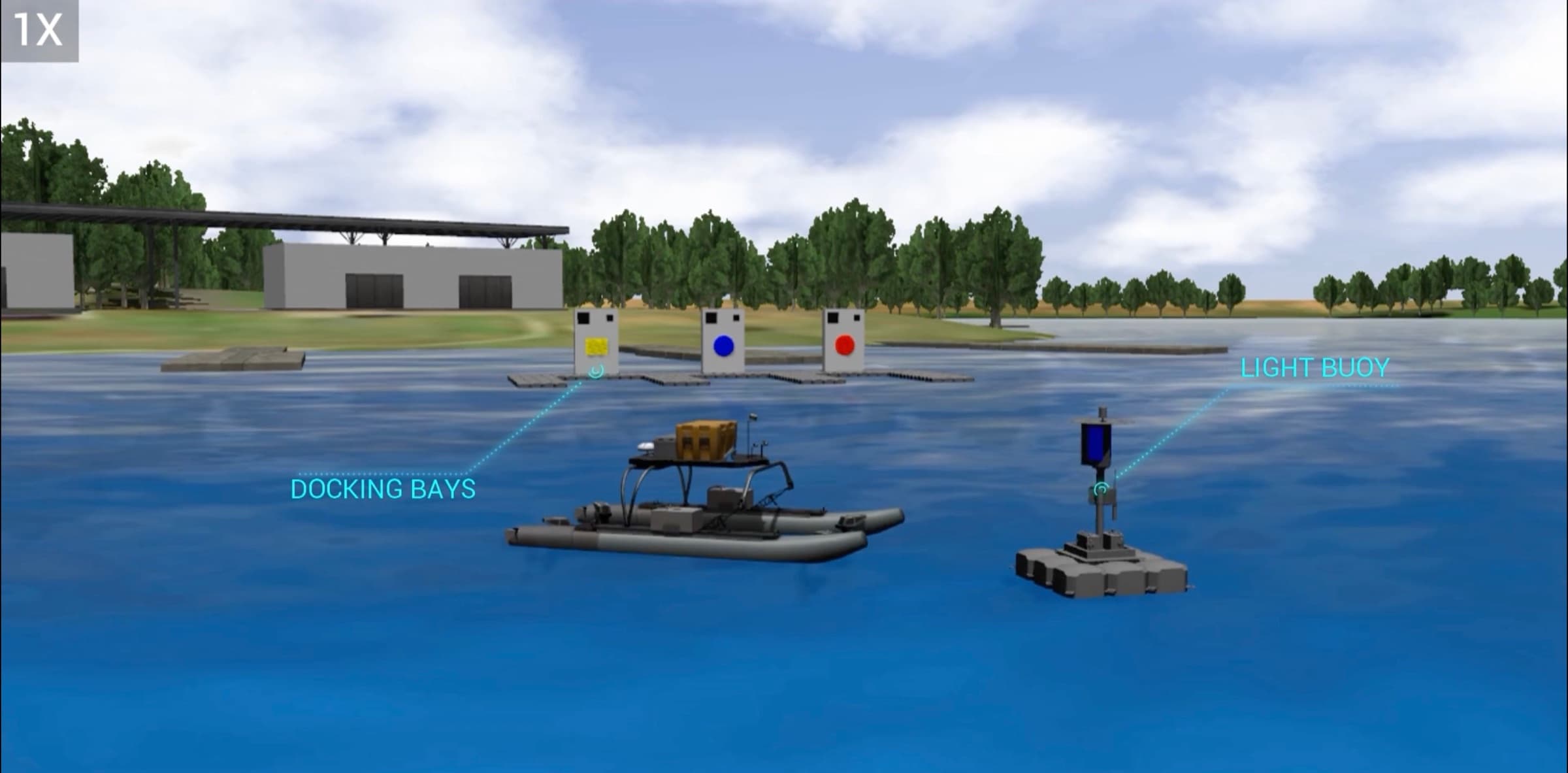
AAV uses international competitions as engineering deadlines. Each competition gives the team a rulebook, system constraints, documentation requirements, field conditions and a clear reason to integrate.
Go deeper.
Our Achievements
See AAV's competition outcomes, awards and season records.
Open →Our Team
Meet the students, leads and subsystem groups behind AAV.
Open →Vehicles
Explore the air, sea, subsea and operator systems.
Open →