One sortie, one aircraft.
SUAS is RoboNation's student aerial systems competition. Teams build an aircraft that must take off, navigate, map an area, detect objects and deliver a payload autonomously, then defend the design in a technical report, a proof of flight readiness video and a team website.
It runs as one continuous mission rather than a set of separate attempts. Everything is contested inside a single sortie, which makes endurance the constraint that governs every other decision on the aircraft.
What the campaign demanded.
With one aircraft there is no system integration to solve. The campaign was won or lost on strategy: what to attempt inside eighteen minutes, and what to give up.
A mission the aircraft could actually finish
The course offers four air drops, each needing a full waypoint lap before it. Against eighteen validated minutes and a winch cycle of thirty-four seconds, that is arithmetically out of reach. The team ran the trade-off before the campaign, committed to autonomous flight, mapping and a single delivery, and wrote the reasoning into the report rather than discovering it on the flight line.
Fewer hands on the mission
The number of people it takes to run the mission is itself assessed, and the count only comes down if the aircraft needs less from them. That work sits in the autonomy stack: PX4 flying the envelope, MAVROS bridging the flight controller to the onboard computer, and mission scripts run over SSH through a 4G link, so operators supervise a flight rather than fly it.
One sensor stack, two jobs
Mapping and object detection both run from the ZED 2i into the Jetson Orin NX. On a single sortie there is no budget for a second pass, so the aircraft has to image the whole area and find the target inside the same flight, on the same stream, at the rate it is moving.
A platform flown to be replaced
The campaign's stated purpose was validation. UAV 2.0 went to Maryland as a testbed for the reconfigured, extended-endurance aircraft that follows it, which is why the report reads as an argument about what the next airframe needs rather than a case for this one.
The campaign on film.
Flight footage and the team's account of the sortie.
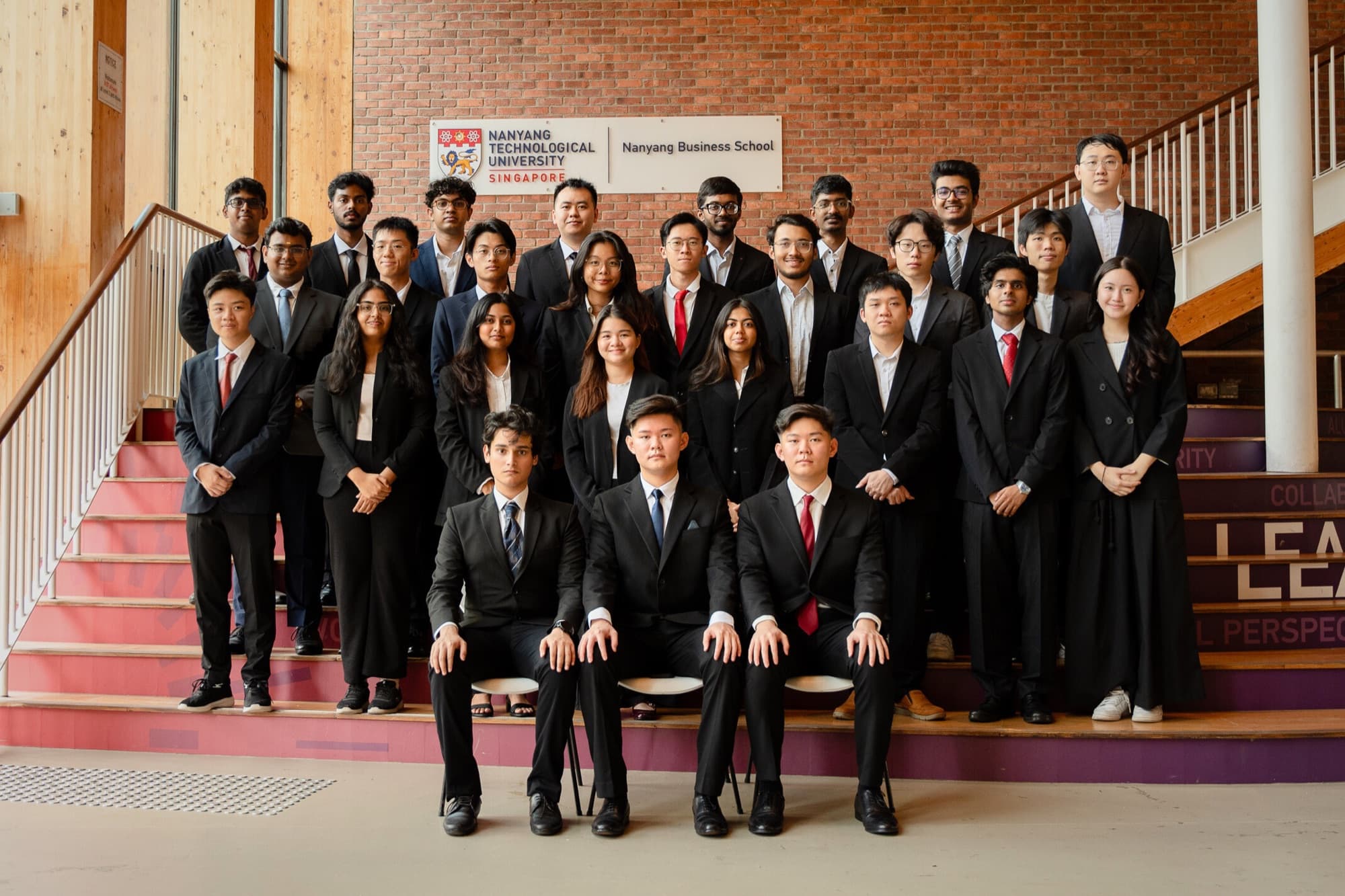
The 2025 team.
The engineers who built and flew UAV 2.0 in Maryland.